The Best Time to Visit Europe: A Month-by-Month Guide
Weather, crowds and prices for every season — and where to go in each

There is no single best month to visit Europe — only the best month for the trip you want. Here is what each season actually feels like, with prices, crowds and where to go.
Ask when to visit Europe and you will be told “May or September” by everyone. It is decent advice and completely useless if you want the Northern Lights, ski season or a Greek island beach. Europe is a continent with four climates running at once — the real question is what kind of trip you want.
Spring (March–May)
The best all-round window. Cities are warm enough to sit outside, museums are quiet on weekdays, and hotel prices are 30–40% below August. The catch is unpredictable rain in the north and Easter, which briefly spikes prices everywhere.
Go now
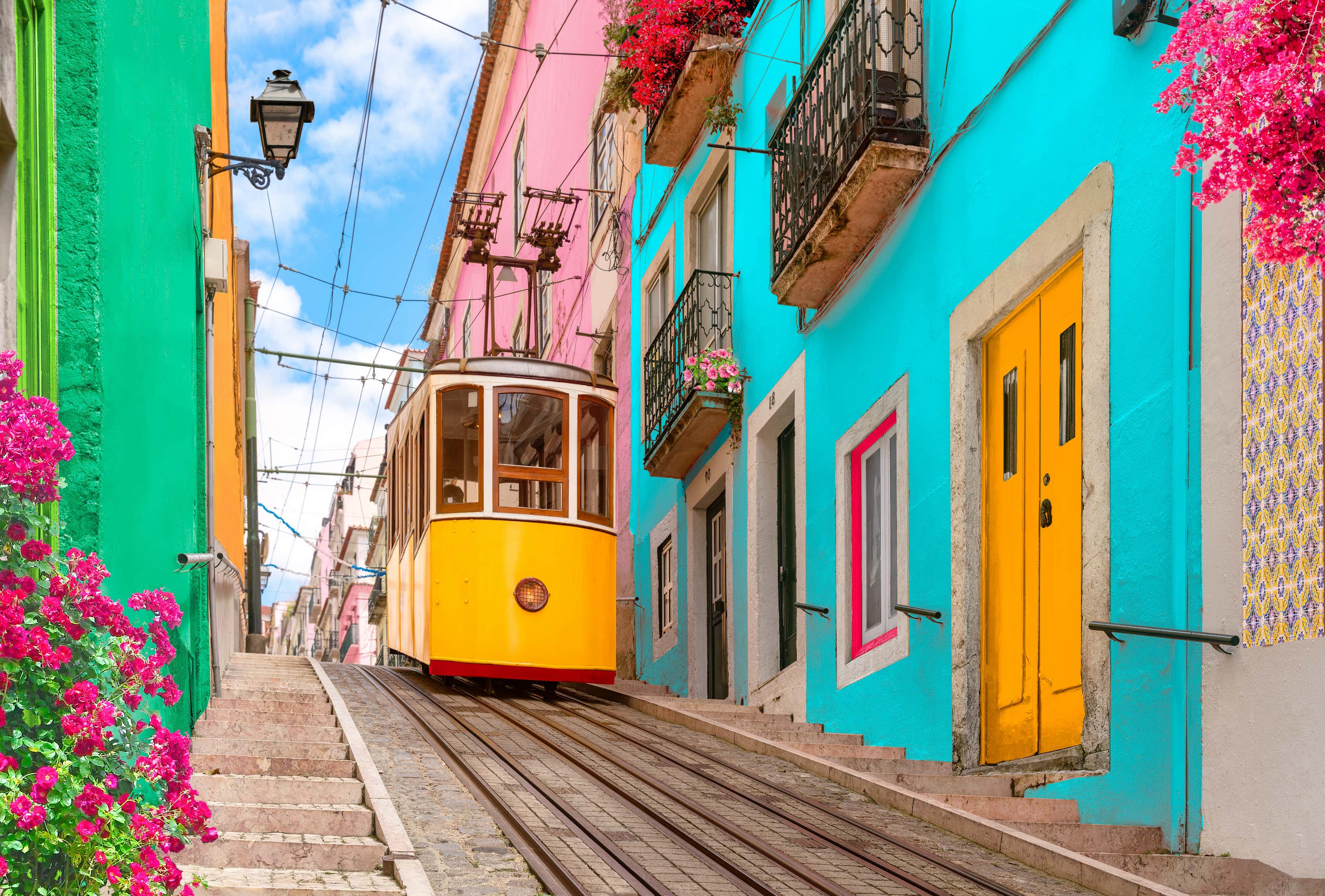
Andalusia, Sicily, Portugal, the Dutch bulb fields, Prague and Budapest before the coach season.
Not yet
Alpine hiking (snow above 1,800 m until June), Greek islands (half-closed until May), Scandinavia’s far north.

Summer (June–August)
Long days, everything open, every festival running — and the highest prices and temperatures of the year. Southern Europe now regularly passes 38°C in July, and the big-name cities are genuinely uncomfortable at midday. Summer works best if you go north or up.
| Instead of | Go to | Why |
|---|---|---|
| Rome in July | The Dolomites | Hiking weather, 25°C, no queues |
| Barcelona in August | Basque coast | Cooler, better food, fewer crowds |
| Santorini | Albanian Riviera | Same sea, a third of the price |
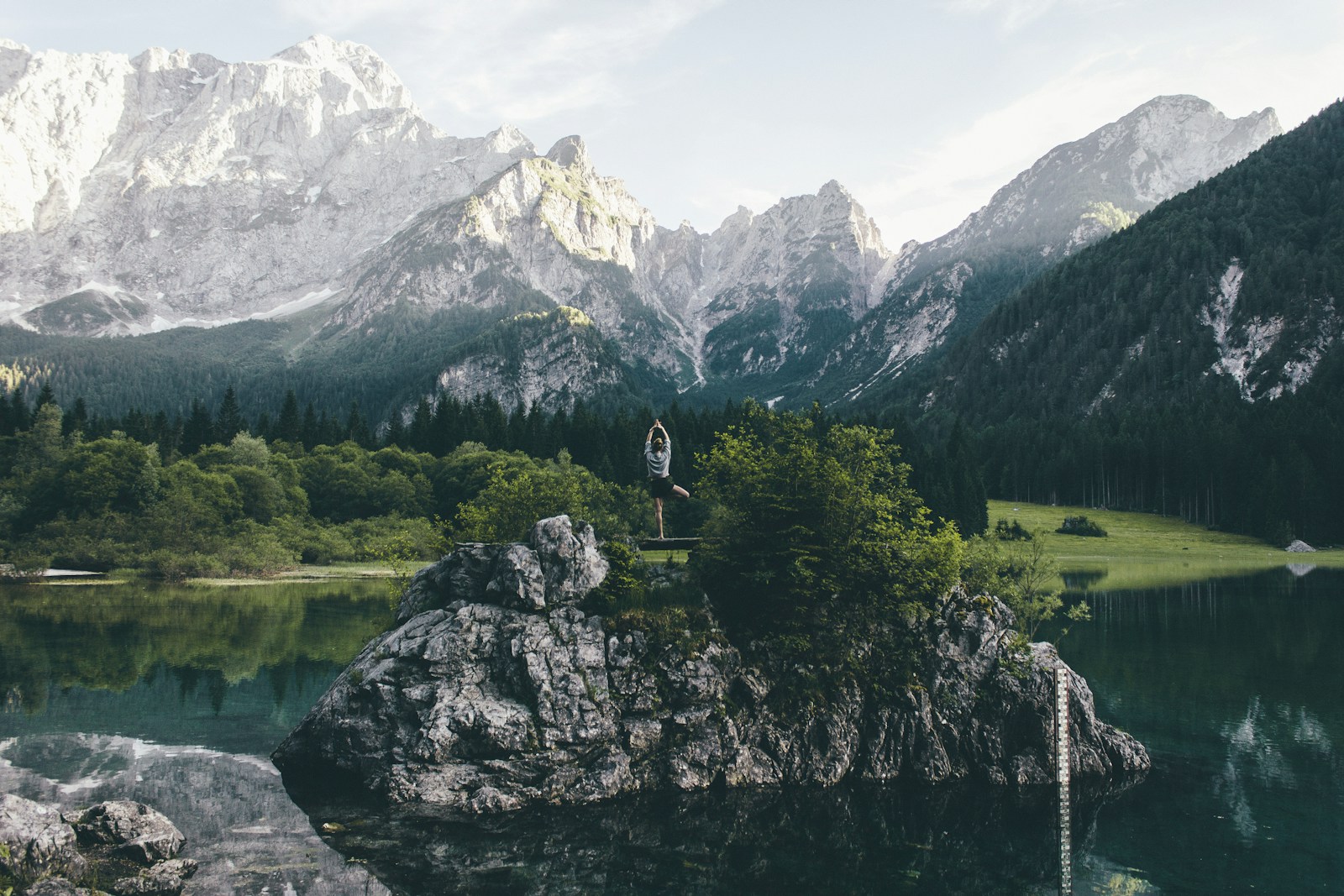
| Paris in August | Brittany or Normandy | Locals go there for a reason |
Summer alternatives that stay pleasant
Autumn (September–November)
September is summer with the crowds removed — sea temperatures peak in the Mediterranean and the light gets better. October is the sweet spot for cities and wine regions. By November the north is dark by 16:30, but so are the prices.
- September: Greek islands, Croatia, Amalfi — warm sea, half the crowds.
- October: Tuscany and Piedmont for harvest, Portugal for surf, Scotland for colour.
- November: city breaks at their cheapest — Vienna, Budapest, Kraków, Porto.
Winter (December–February)
Underrated everywhere except at Christmas. Museums are empty, flights are cheap, and the Christmas market circuit in December is genuinely worth planning a trip around. January and February are the cheapest weeks of the year to fly into Europe.



Month-by-month at a glance
| Month | Crowds | Price | Go for |
|---|---|---|---|
| January | Low | € | Ski, Northern Lights, empty museums |
| February | Low | € | Carnival, Venice, cheap city breaks |
| March | Low–mid | €€ | Southern Spain, Portugal, Sicily |
| April | Mid | €€ | Blossom, Easter markets, Greece opening |
| May | Mid | €€ | Best all-rounder — everywhere works |
| June | High | €€€ | Long days, Nordic summer, alpine hiking |
| July | Very high | €€€€ | Festivals, Baltic and Nordic coasts |
| August | Very high | €€€€ | Beaches only — cities are hot and shut |
| September | Mid–high | €€€ | Warm sea, harvest, best light |
| October | Mid | €€ | Cities, wine regions, autumn colour |
| November | Low | € | Cheapest flights, quiet museums |
| December | Mid | €€€ | Christmas markets, alpine snow |
Crowds, price and weather by month
We swapped a July trip to Rome for late September and it was the same holiday minus the sunburn, the queues and about €700.
When to go: FAQ